
The Rise of Indie MMORPGs: Revolutionizing the Gaming Experience
In the past few years, there's been a noticeable shift in the gaming landscape. Indie MMORPGs are not just a passing fad; they are emerging as powerful contenders in the world of online gaming. But what exactly is fueling this shift? And what unique experiences do these indie creations offer compared to their mainstream counterparts? Buckle up, because we are about to dive deep into the fascinating world of indie MMORPGs!
What Exactly is an MMORPG?
Before we delve deeper, let’s clarify what MMORPGs are. A Massively Multiplayer Online Role-Playing Game (MMORPG) allows players from all around the globe to interact with a vast online world. Players create characters, embark on quests, and develop their skills while often working collaboratively or competitively with others. Now, indie MMORPGs take this concept a few steps further, often introducing innovative gameplay mechanics and storytelling approaches.
Indie Games: Defining a New Era in Gaming
Indie games have redefined the gaming scene. Often developed by small teams or even solo developers, these games have the freedom to explore narratives and themes that traditional studios might shy away from. From quirky art styles to experimental gameplay, indie developers are creating engaging worlds where players can truly lose themselves. Indie MMORPGs capitalize on this trend, providing gaming experiences rich in creativity.
Why the Surge in Indie MMORPGs?
- Cost Effectiveness: With advanced game engines becoming more accessible, indie developers can create immersive worlds without the extensive budgets required by larger studios.
- Player-Centric Design: Indie developers tend to have a closer connection with their gaming community, allowing them to create more tailored experiences.
- Catering to Niche Markets: Indie MMORPGs often focus on niches that mainstream games overlook, satisfying unique player needs.
The Role of Community Feedback
In the indie gaming sphere, community feedback is king. Developers actively seek input through forums and social media, allowing players to shape the game. This direct line between players and creators not only builds trust but also cultivates a sense of ownership among players. It’s not just about playing the game; it’s about being a part of its evolution.
Some Top Indie MMORPGs to Check Out
| Game | Release Year | Description |
|---|---|---|
| Albion Online | 2017 | A sandbox MMORPG focusing on player-driven economy and class flexibility. |
| Tree of Savior | 2016 | An adventure-focused game with vibrant graphics and intricate class systems. |
| Ragnarok Online | 2002 | Despite its age, it remains popular thanks to indie revival efforts. |
| Lost Ark | 2019 | A thrilling combination of MMO and ARPG elements. |
Visuals That Attract Players
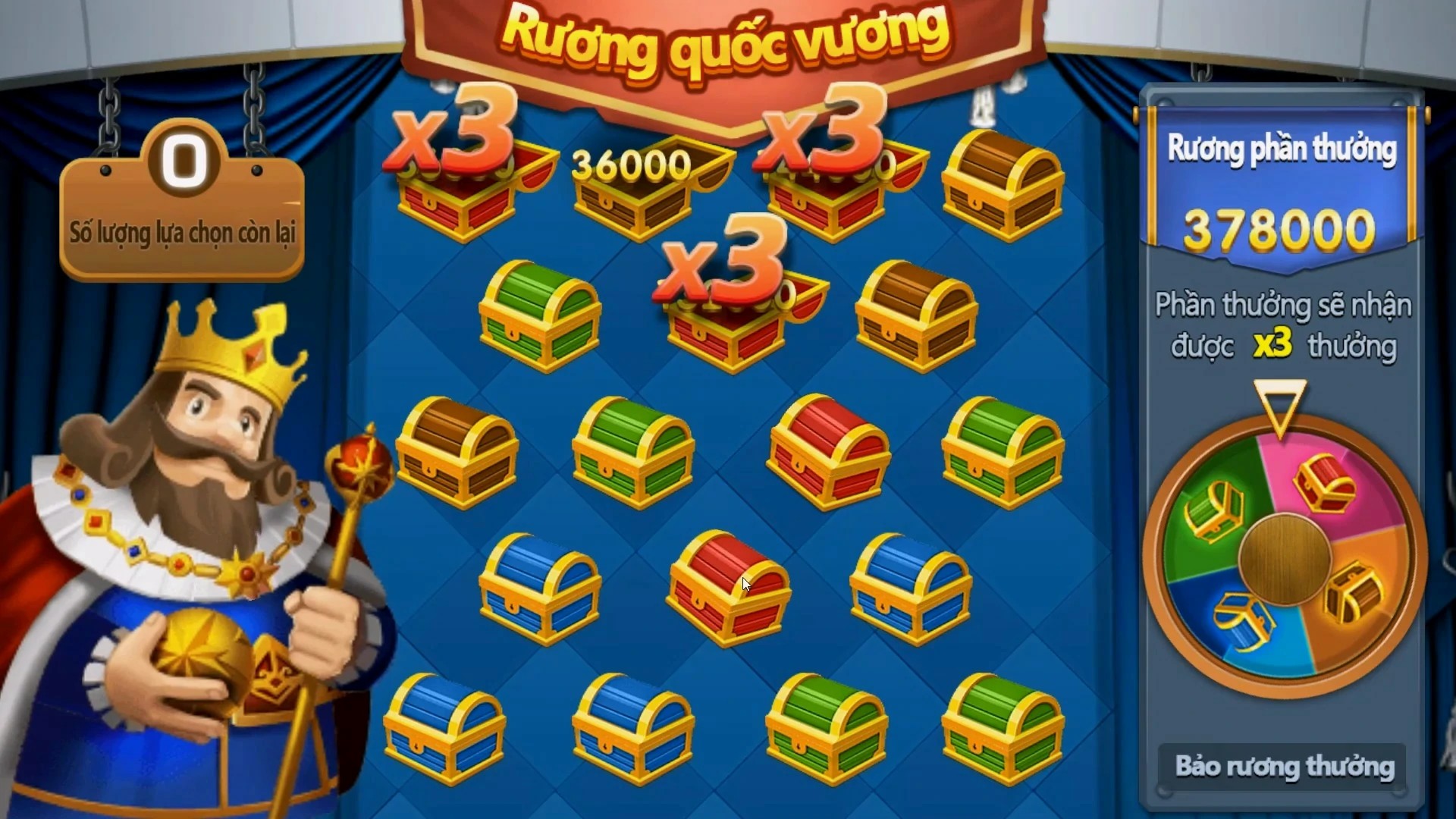
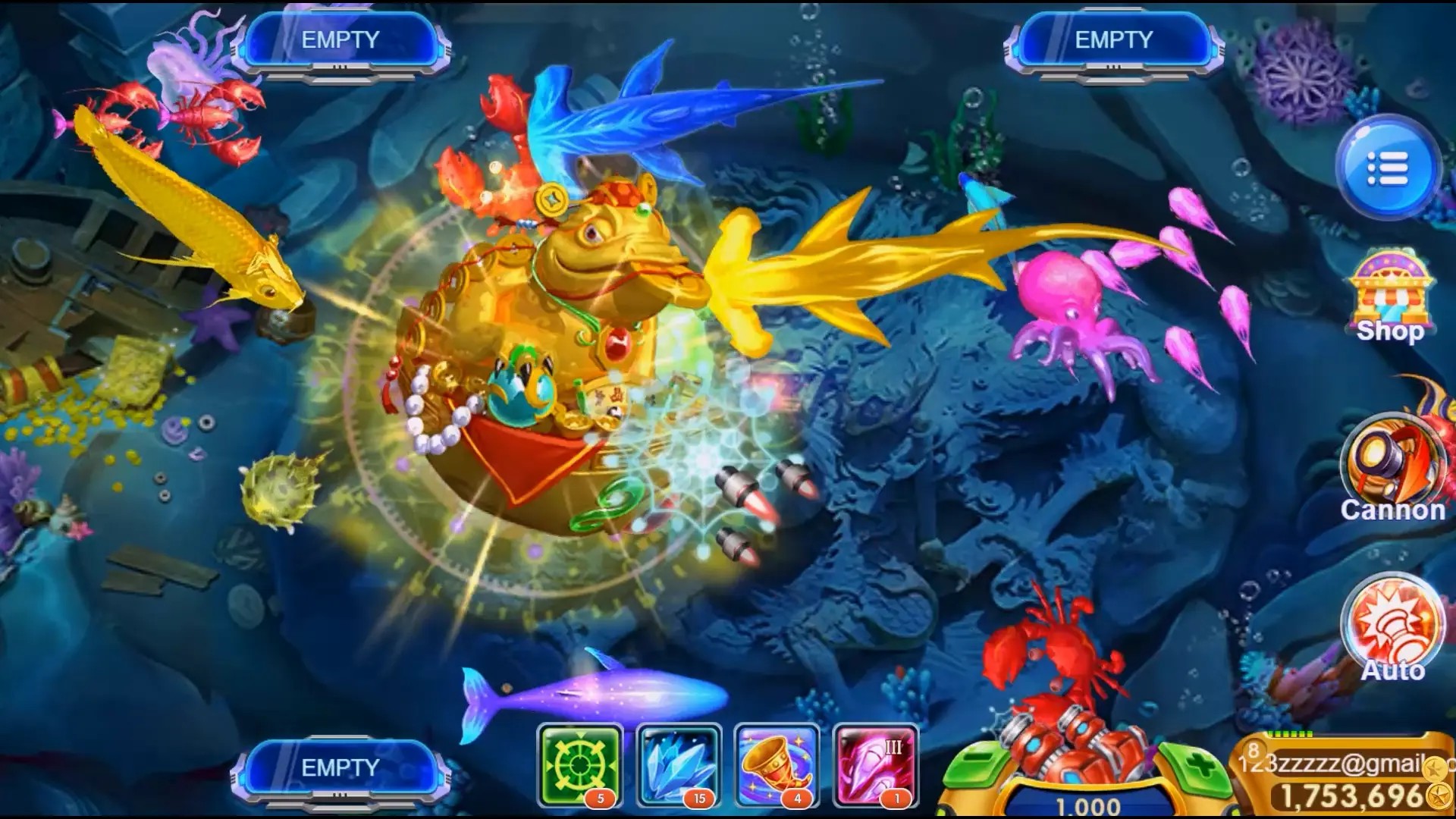
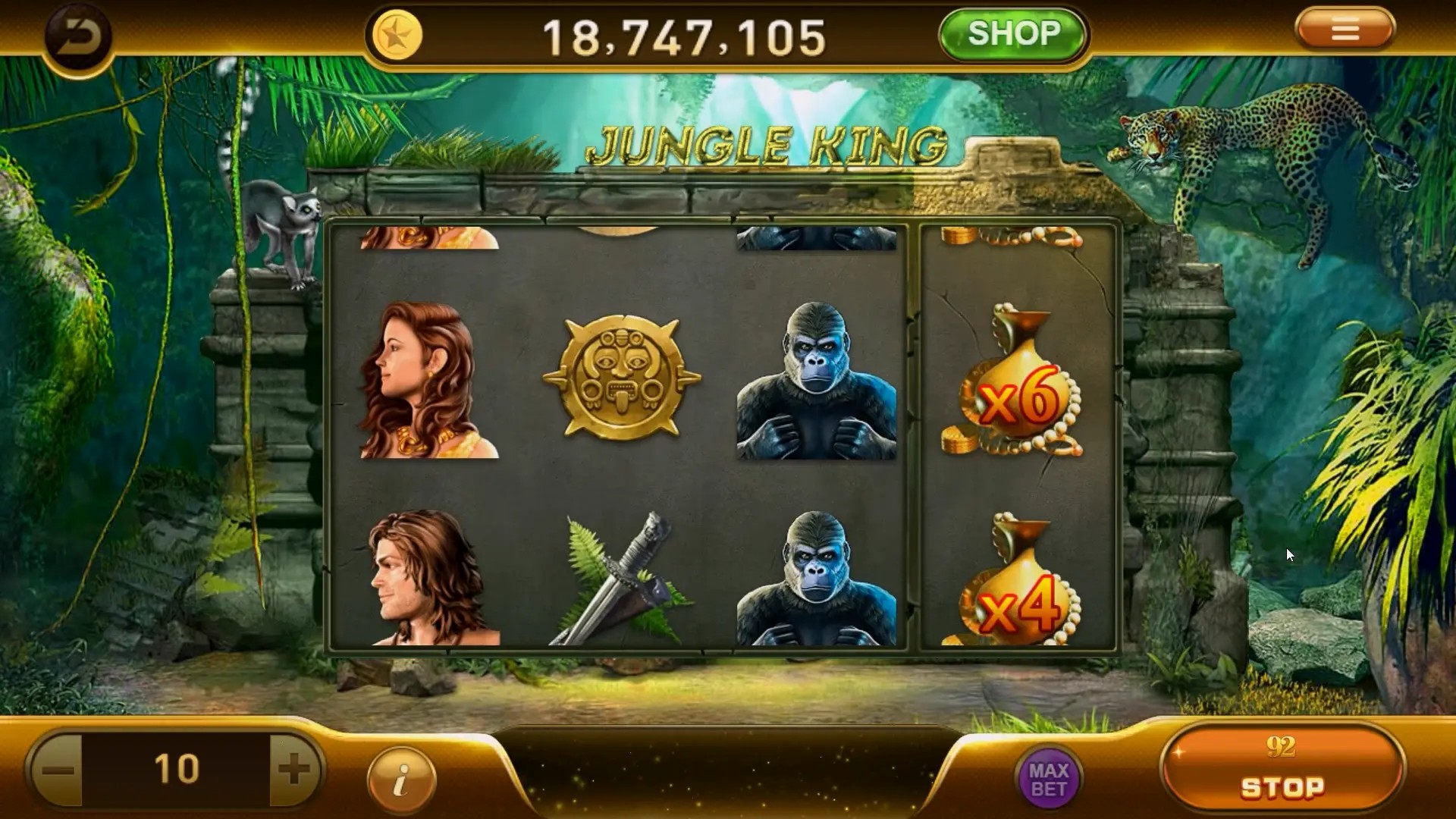
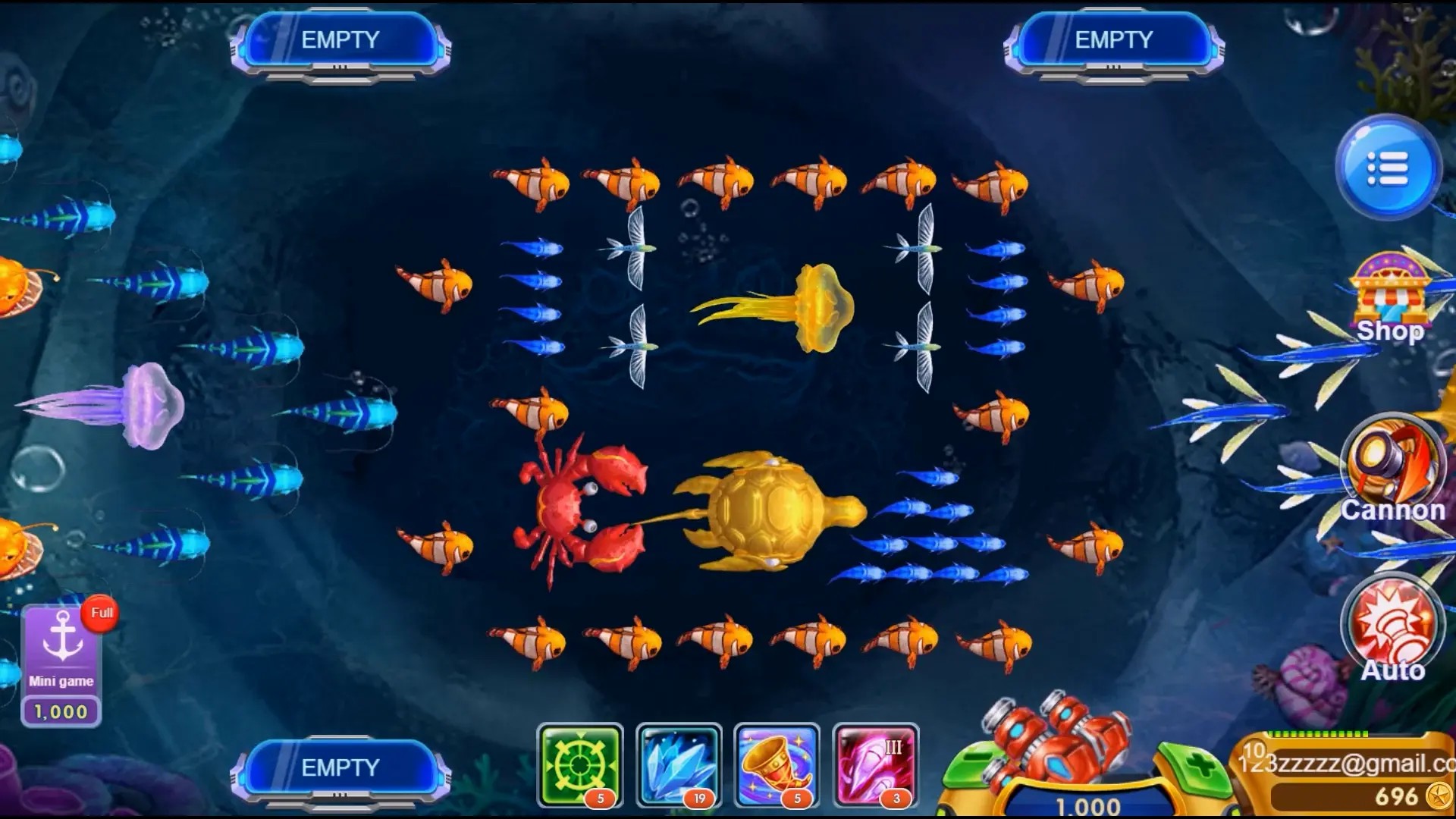
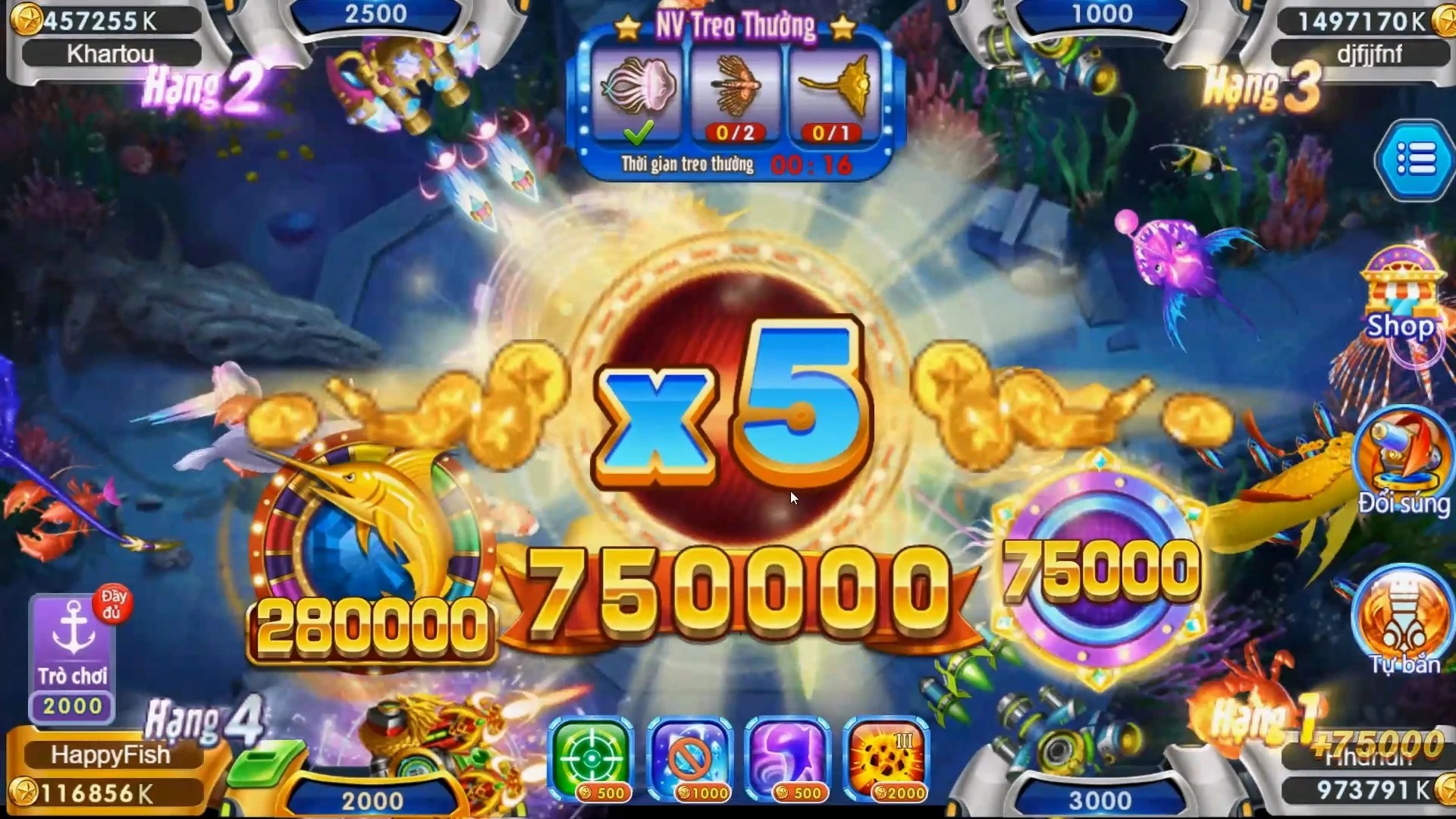
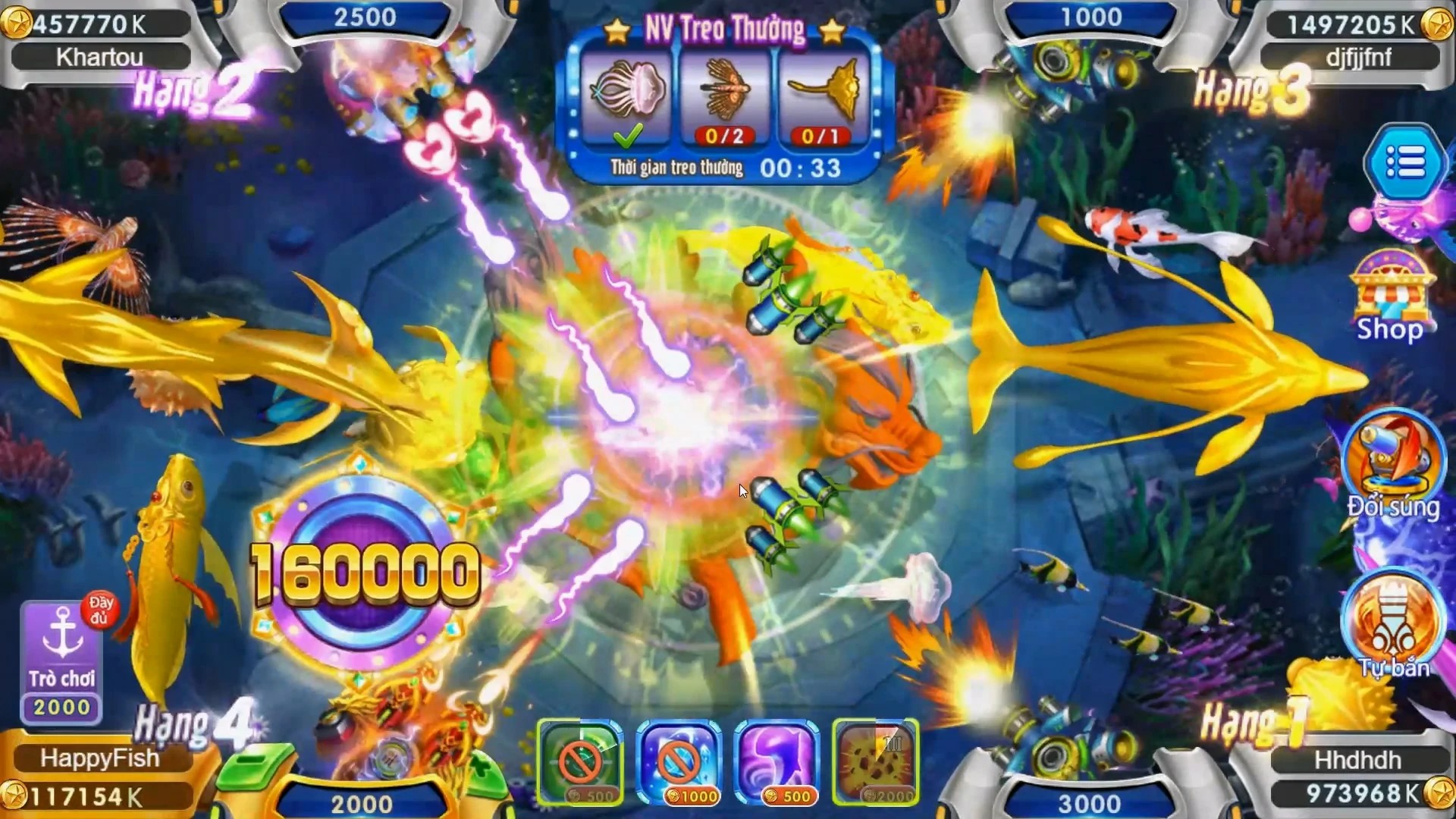
One major aspect where indie MMORPGs often shine is in their visuals. Rather than opting for photorealism, many indie developers embrace artistic, stylized graphics. Think of a whimsical watercolor world or pixelated landscapes that evoke nostalgia. These choices can significantly enhance immersion, allowing players to become lost in a realm unlike any other.
Innovative Gameplay Mechanics
Indie MMORPGs are not afraid to experiment with gameplay mechanics. For instance, they often introduce mechanics that encourage player creativity or problem-solving over just grinding. Games like Project Zomboid offer unique survival elements, whereas others might implement real-time strategy elements in unexpected ways.
Cross-Platform Play: Bridging Communities
Many indie MMORPGs are now offering cross-platform compatibility, allowing players on different devices to join together. This trend is pivotal, especially for online gaming communities looking to keep their player bases engaged regardless of the platform. Whether on PC, console, or mobile, players can unite in their favorite worlds!
Marketing: How Indie's Make Their Mark
Less money for marketing means indie games must often rely on grassroots efforts. Using social media, Twitch streams, and even YouTube reviews, players can help spread the word. The community does most of the heavy lifting, and honestly, there’s no better advertisement than word-of-mouth from passionate gamers.
The Importance of Narrative
What sets indie MMORPGs apart is often their narratives. Indie developers are generally more inclined to tackle complex themes — love, loss, identity, or even existential dread — creating a rich tapestry of storytelling. Players aren’t just running through quests; they’re engaging in deep, emotional journeys.
Facing the Challenges of Indie Development
While the indie scene is exciting, it's not without challenges. Developers often face issues like funding, marketing struggles, and the pressing need to stand out amidst overwhelming competition. Nevertheless, the passion for their craft drives these creators, pushing them to innovate and find ways to succeed.
The Future of Indie MMORPGs
- Increased Emphasis on Diversity: Expect developers to feature diverse characters and stories that resonate with a wider player base.
- More Collaborations: Indie developers might collaborate with one another, sharing resources to enhance gameplay experiences.
- Enhanced AI Features: You'll likely find that NPCs and dynamic environments are beginning to incorporate sophisticated AI tools, enriching gameplay.
Conclusion: A New Dawn for Gaming
The rise of indie MMORPGs signals a robust evolution in our gaming experiences. By catering to niche audiences, pushing creative boundaries, and integrating community feedback, these games are reinventing what we consider possible in online gaming. Let’s embrace this indie renaissance, shall we?
So, whether you're a die-hard MMO fan or just someone curious about exploring new gaming horizons, consider diving into the colorful, creative, and captivating world of indie MMORPGs. Who knows? You might just find your next gaming obsession.